Emergency Lockouts · London
Seized & Jammed Lock Opening in London
It is the coldest morning of the winter and the key goes halfway into the side door and stops. There is frost on the face of the cylinder, and the door on the shaded side of the house has done this before.
Call now · open 24/7(226) 785-2980In plain words
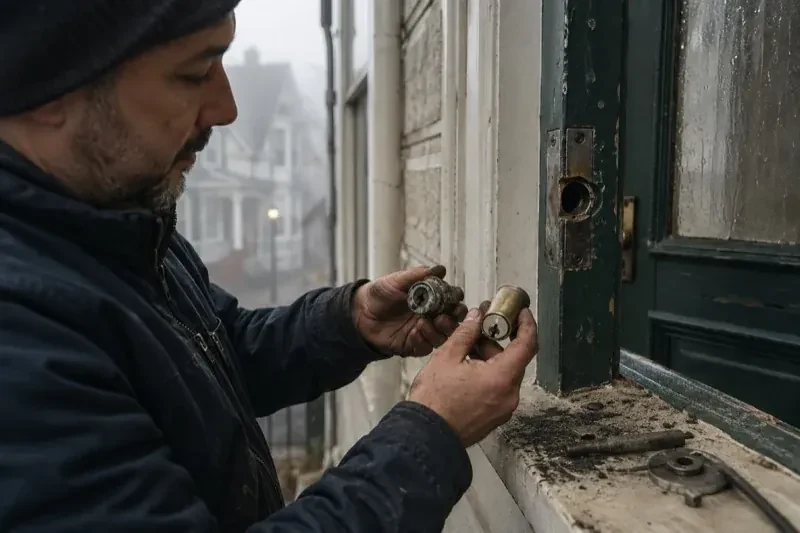
A jammed lock looks like one problem from outside and is usually one of three inside. The cylinder itself may have seized, packed with grit, corrosion or old grease. The link between cylinder and bolt, the tailpiece or cam, may have broken, which is why a key can spin without doing anything. Or the lock may be healthy and the bolt simply pinned against the strike by a door that has moved. Seized and jammed lock opening starts by telling those apart, because the right answer for one would damage the hardware in another. Once the culprit is known, the door is opened and the cause is repaired.
How the visit goesThe old mortise lock on the front door of the house turns the key halfway and stops with a dull clunk. It has been getting harder for months, and the brass key is starting to show a bend.
Seized & Jammed Lock Opening · London
How the visit goes
- 1
Which of the three families it belongs to
Every jammed lock falls into one of three groups, and sorting it is the whole diagnosis. A key that enters fully and will not turn points to the cylinder: grit, ice, corrosion, dried lubricant or a plug that has not returned to its neutral position with the shell. A key that turns freely and moves nothing points to the connection behind the cylinder, the tailpiece or cam, or to a broken hub in a mortise case. A key that works only when the door is pushed, pulled or lifted points past the lock entirely to the door and its strike. Each group has its own opening method and its own repair.
- 2
Proving it with the door open and shut
The job is finished with testing rather than with the last screw. The bolt is thrown and drawn back with the door open to prove the lock itself, then with the door closed to prove the door and strike, then from the inside with the thumb-turn or lever. Every key you hold is tried, including the spare from the drawer. If the door is a main exit, the locksmith confirms it opens from inside with one motion and no key. Any hardware that was adjusted is cycled a dozen times to make sure it stays put, and the finish is wiped clean of cleaner and lubricant.
- 3
The early warnings to act on
A lock gives notice before it seizes, and now you know the signs. A key that needs a jiggle to seat, a plug that turns stiffly on cold mornings, a bolt that drags in its pocket, a lever that returns slowly, or a key that comes out gritty are all invitations to act while the fix is small. Stop as soon as a key begins to bend; a snapped key turns a service call into an extraction. A puff of dry lubricant or a turn of the strike screws often settles it, and a call while the lock still turns is a shorter visit than a call after it stops.
In the van
- Replacement cylinder
- Replacement tailpiece or cam
- Mortise case spring and hub
- Dry PTFE or graphite lock lubricant
- Penetrating lubricant
What affects the quote
- 1
Upgrades you choose on the spot
A keyhole cover, a storm door latch, a reinforced strike or a new deadbolt are optional extras some people add while the locksmith is there, each shown as its own line.
- 2
Which part is jammed
A bolt pinned by the door, a cylinder clogged with grit and a broken tailpiece are three different jobs with three different amounts of work, and the quote follows the diagnosis rather than the symptom.
- 3
Ice and salt on the day
A cylinder frozen solid or crusted with salt needs thawing, flushing and drying before it can even be diagnosed, and a winter call is quoted with that time in mind.
Same fees day, night or weekend.
Seized & Jammed Lock Opening: questions
Will I need a whole new lock?
Usually not. Most jammed locks are saved by cleaning the cylinder, fitting a small part such as a tailpiece or spring, or adjusting the door so the bolt has room. A new cylinder is fitted when the plug or shell is corroded through or twisted by forcing, matched to your finish and, where possible, pinned to your current key. A complete new lockset is usually a choice you make rather than a requirement, though some internal failures cannot be serviced in place and call for a full replacement.
Should I spray something into the keyway while I wait?
Better not, unless it is a proper dry lock lubricant. Household oils, general penetrating sprays and hinge silicone thicken inside the cylinder and attract grit, so they buy a day and cost a service later. If the lock is frozen, a lock de-icer is fine; boiling water is not, since it refreezes deeper in. The most useful thing to do while waiting is to stop turning the key, so it does not bend or snap.
How can I tell whether the lock or the door is the problem?
Try the key while gently pushing, pulling and lifting the door. If it frees up in one position, the bolt is being pinched by the frame and the door is the cause. If nothing changes, look at the key: does it go fully in and refuse to turn, or spin freely? The first points to the cylinder, the second to the tailpiece behind it. Tell the locksmith which you found and the right parts come in the van.
Lockout Services
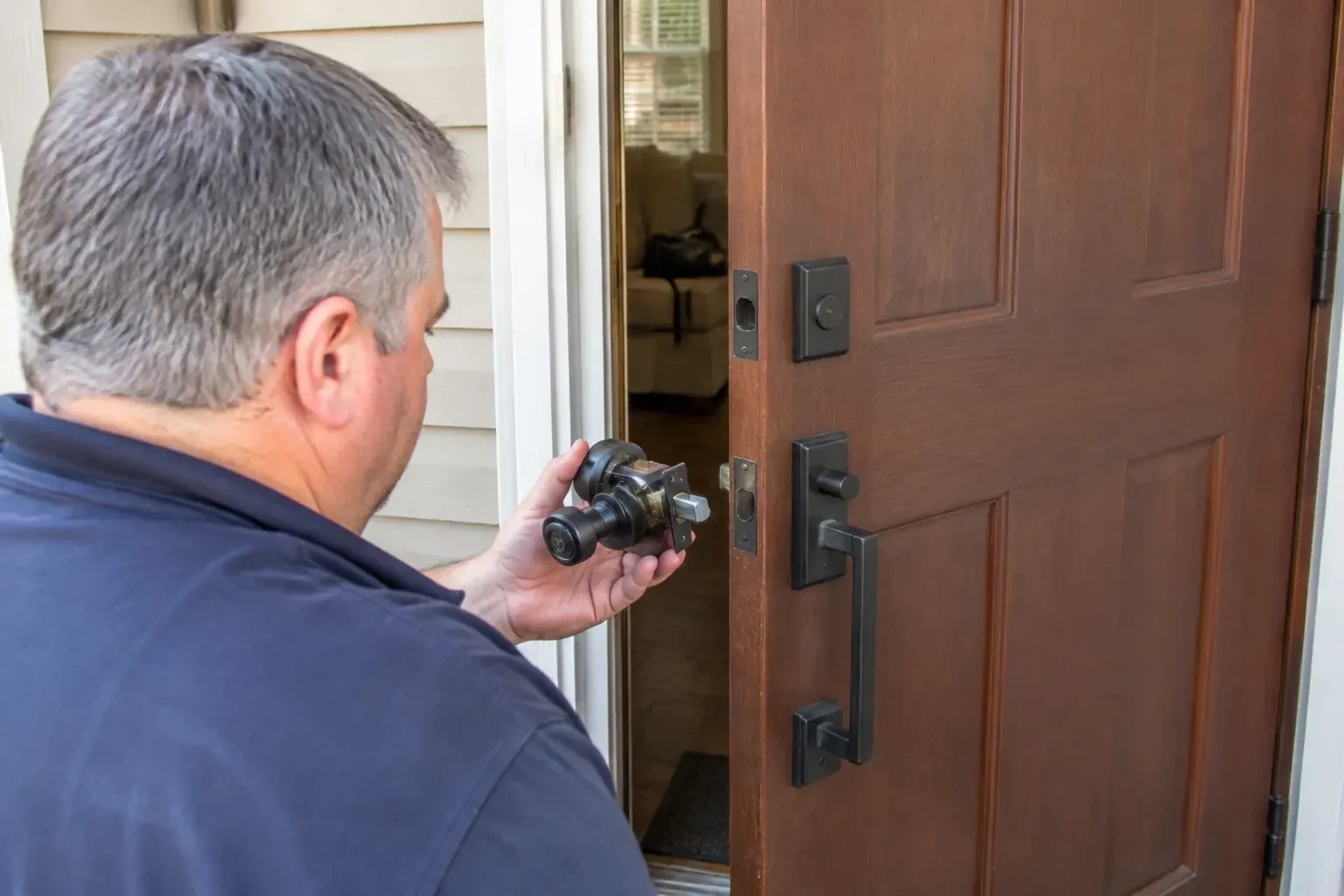 EmergencyHome Lockout ServiceThe moving truck has left, half the boxes are inside, and the single key the previous owner handed over turns the knob but not…
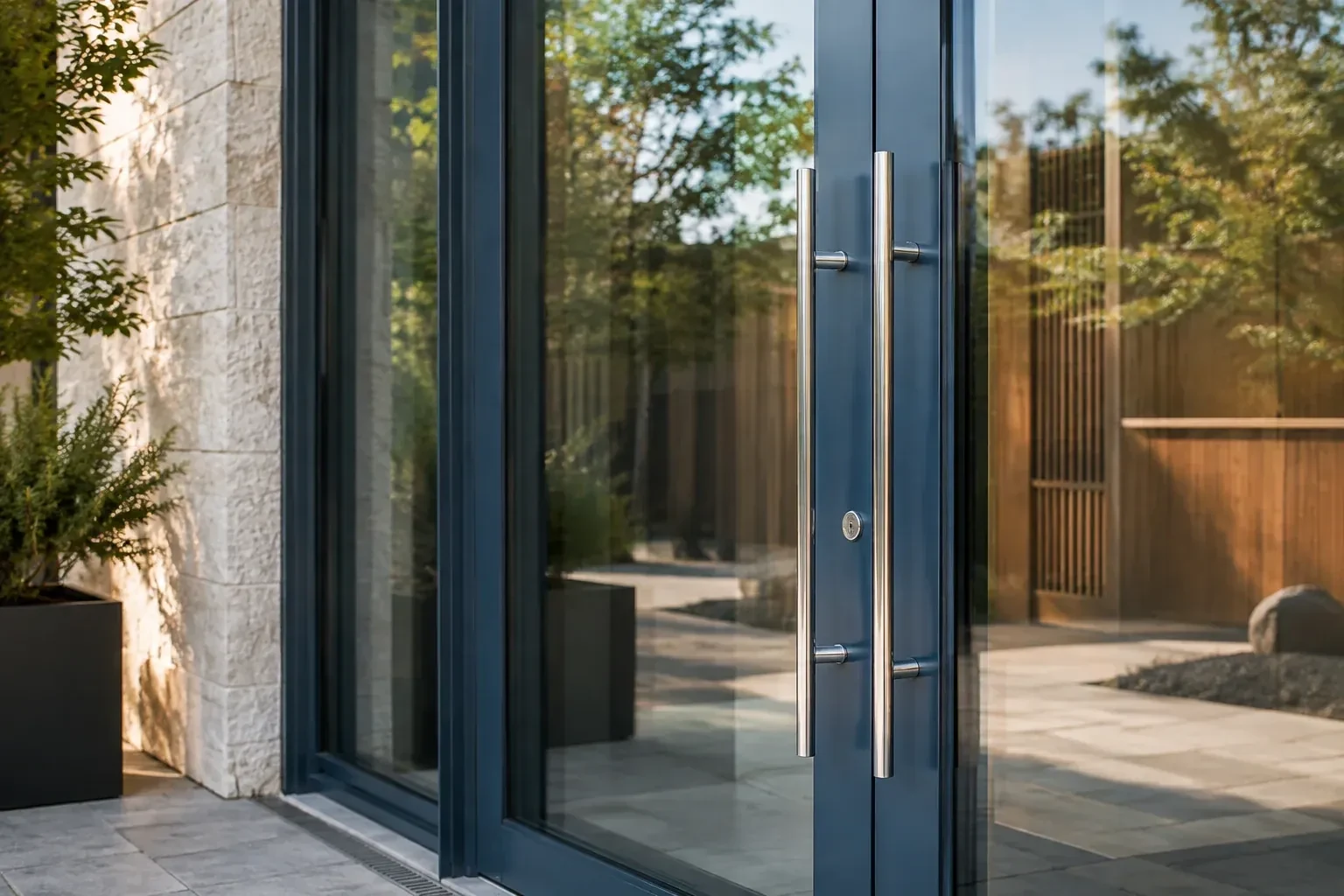 EmergencyBusiness Lockout ServiceYou signed the lease on the unit last week and the landlord handed over possession, but the previous tenant's locks are still on…
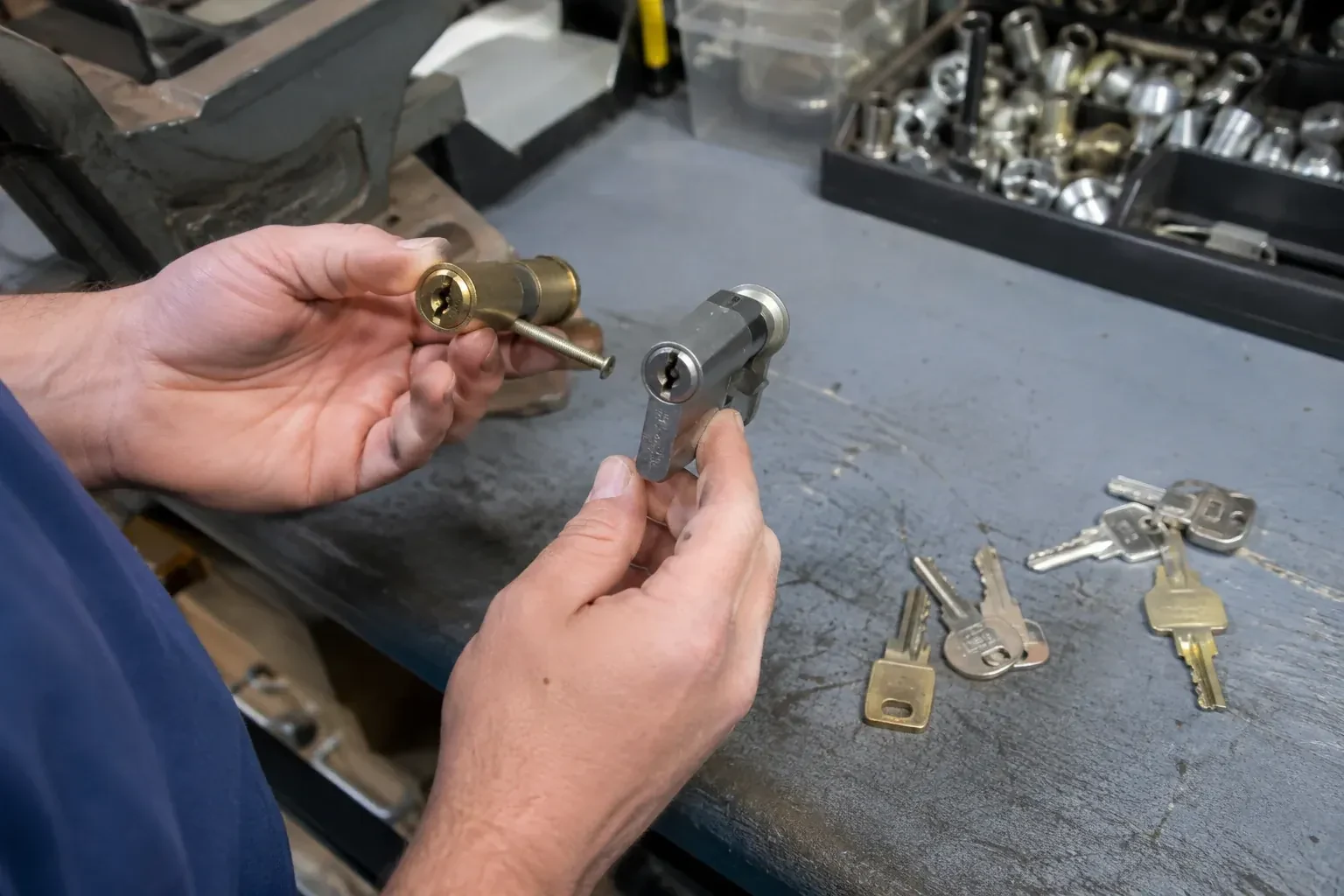 EmergencyBroken Key ExtractionThe apartment key snapped mid-turn, leaving the cylinder twisted halfway between locked and open.
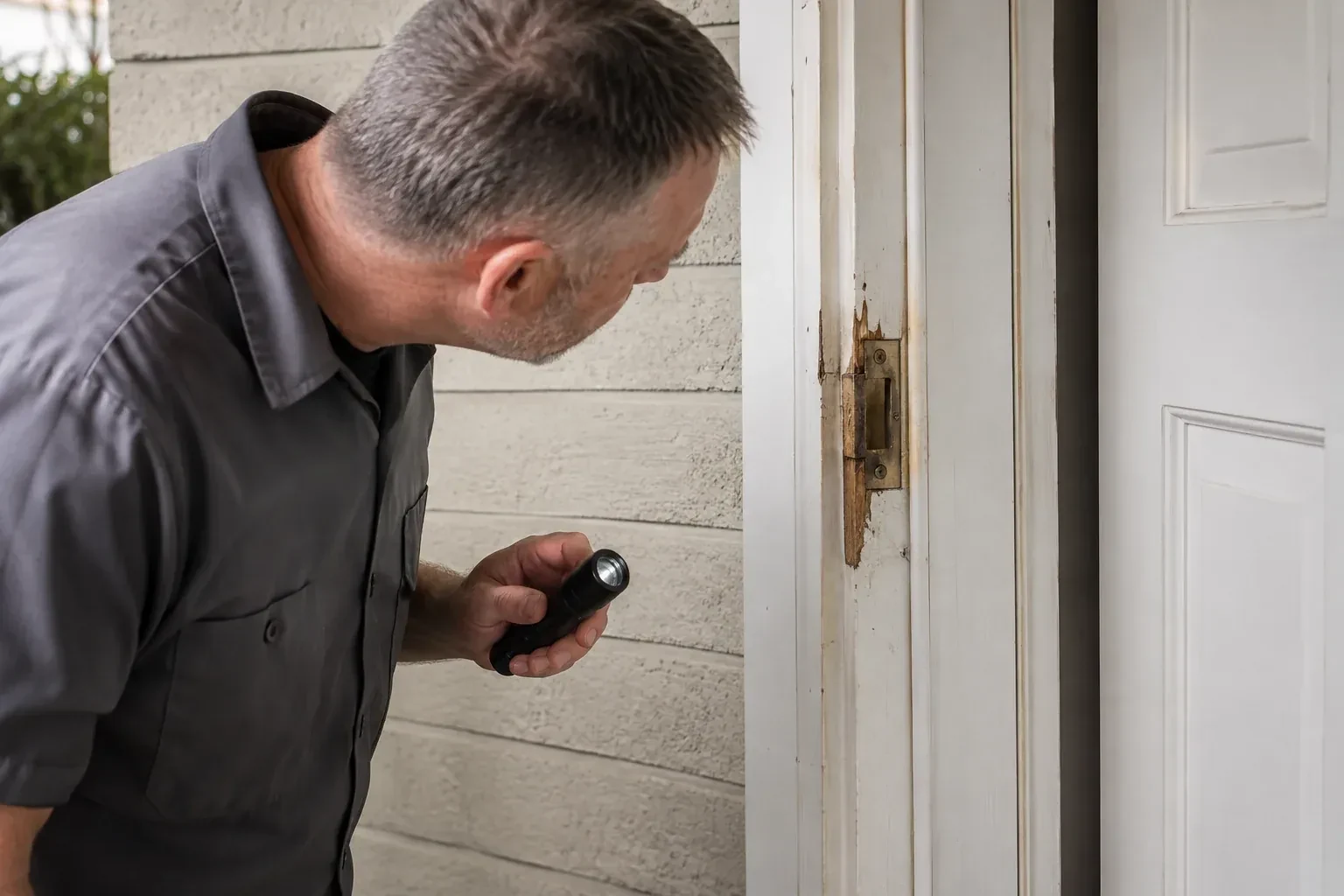 EmergencyBreak-In Damage Lock RepairThe shop's aluminum door has a bent meeting stile and the hookbolt is jammed half out.
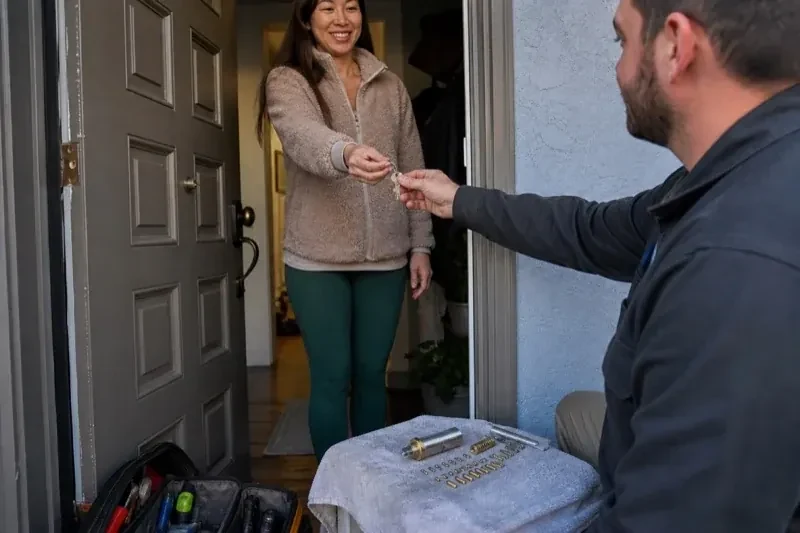 EmergencyLost Keys — Same-Visit RekeyThe renovation wrapped up in the spring.
Seized & Jammed Lock Opening near you
Middlesex, Ontario
London information
- Town
- London, Middlesex, Ontario
- In business
- 15 years
- Hours
- Open 24/7 · nights, weekends and holidays, same fees
- Phone
- (226) 785-2980
- Visits
- On-site assessment preferred. Request a visit or call.
What the census means at the door
52%
Older homes. About 52% of homes in London were built in 1980 or earlier, according to the 2021 Census.
Layers of paint build up on older doors and frames, and a lock that seemed to fail is sometimes a latch glued shut by the last coat. Part of the visit in an older area is freeing hardware, cleaning the edges and checking the door swings true.
49%
A mix of homes. Single-detached houses make up about 49% of homes in London (2021 Census).
In mixed neighbourhoods, a family may move from an apartment to a house or the other way around. A locksmith who knows both kinds of door can rekey the old place for the next occupant and set up the new one on the same visit.
Nearby
Open 24/7
Request a visit
It is the coldest morning of the winter and the key goes halfway into the side door and stops.
Call now · open 24/7(226) 785-2980- On-site assessment preferred
- Same fees day, night or weekend
- 15 years in business