Emergency Car keys · London
Car Lockout Service
The trunk is full of groceries, the cart is back in its corral, and the keys are sitting in the cup holder in plain view. Every door handle lifts and stops.
Call now · open 24/7(226) 785-2980In plain words
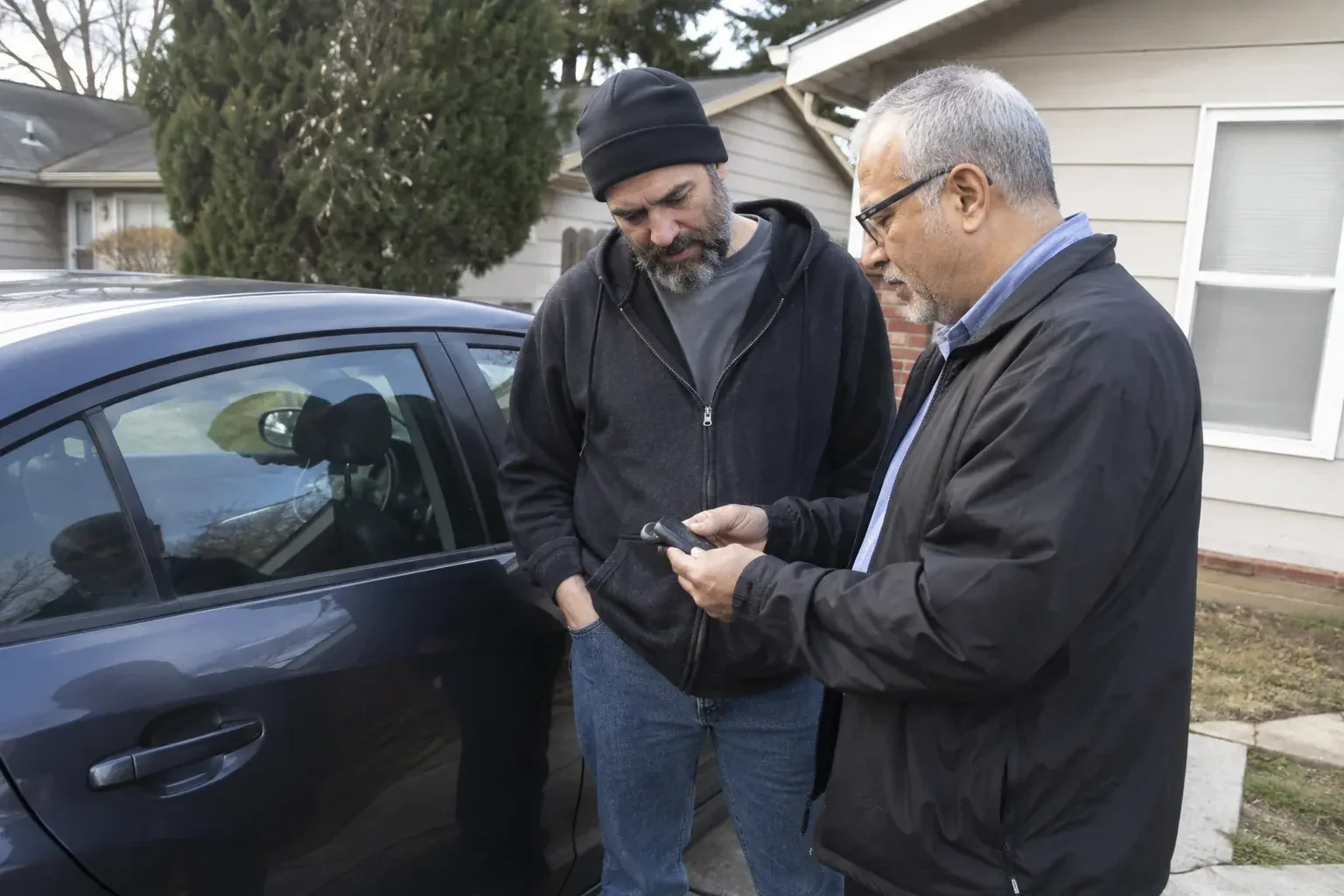
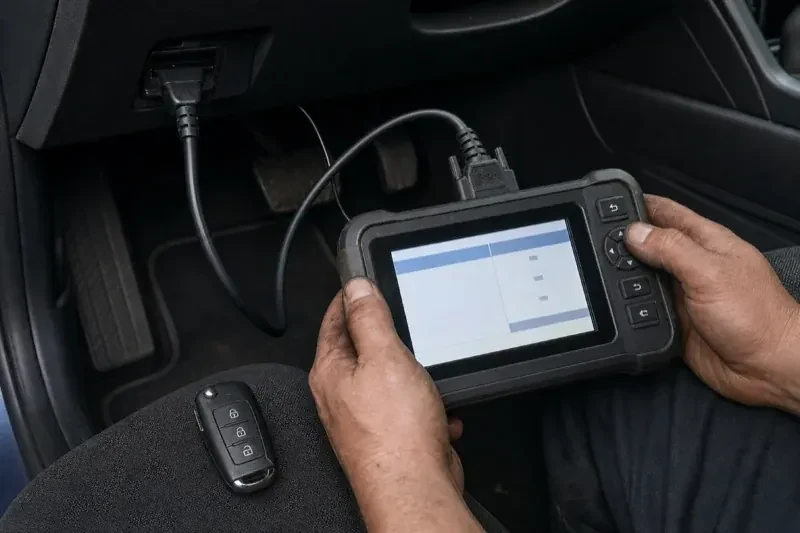
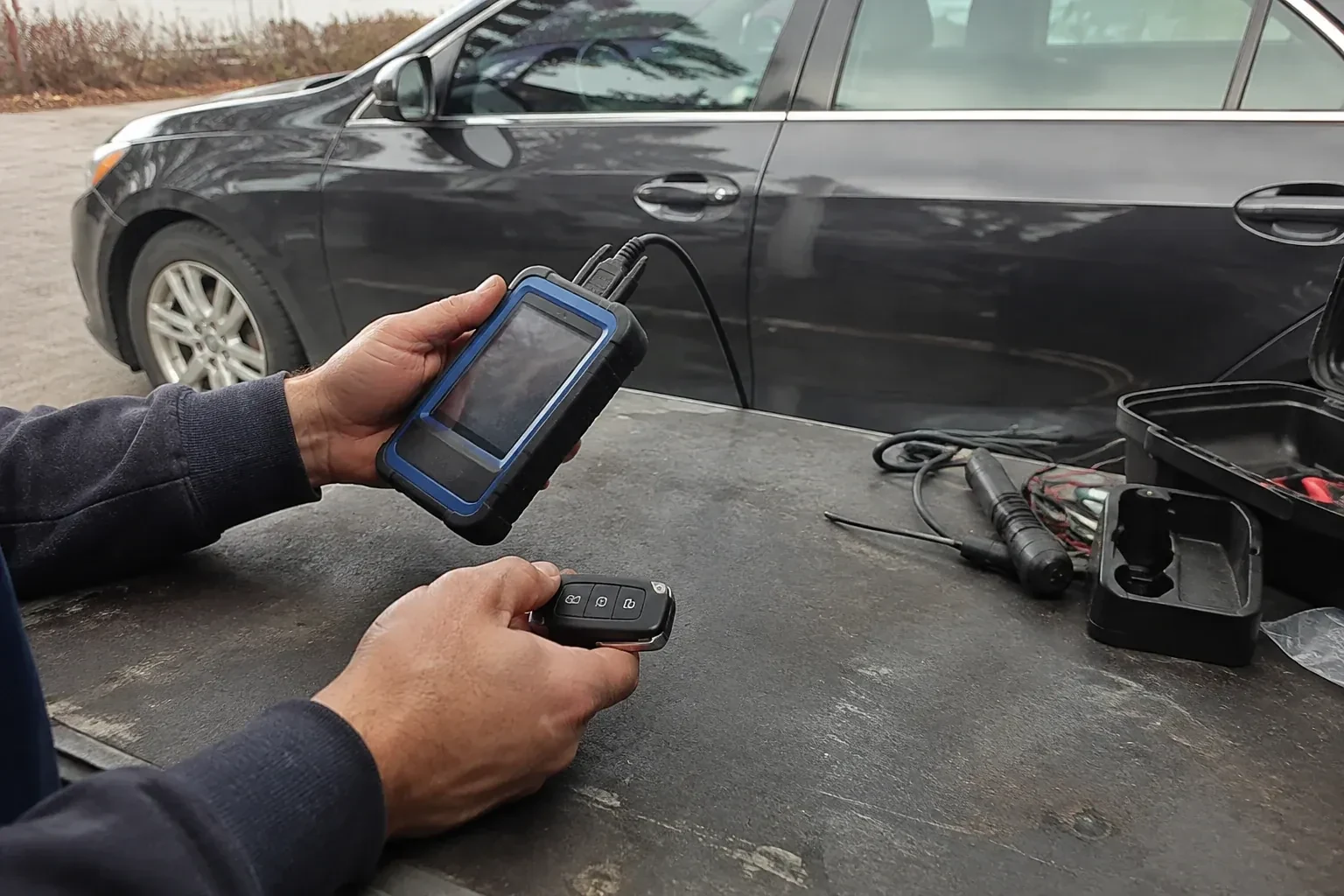
When the keys are truly gone, a car lockout call becomes two jobs in one visit. The first is entry, done without marking the car. The second is a key that works. The locksmith decodes the door cylinder or reads the key code from the vehicle's records with your proof of ownership, cuts a mechanical blade, then programs the transponder chip or fob where the vehicle's own security system supports it. On many vehicles the lost keys can also be erased from the car's memory. Many drivers leave on a key made at the roadside, though some vehicles need dealer credentials or parts and a tow instead.
How the visit goesYou reached the parking lot after a long hike and the pocket that held your car key is empty. Somewhere along ten kilometres of trail is the only key you own, and the car, your wallet and your dry clothes are all locked behind glass.
Car Lockout Service · London
How the visit goes
- 1
Anyone or anything inside
The first question on the phone is whether a person or an animal is locked in. A child in a car seat, an elderly passenger, a dog in the back: any of these in summer heat or winter cold turns a lockout into an emergency, and the caller is asked to phone 911 while the locksmith is on the way. The province's animal protection line and police can act on animals in distress, and responders are equipped to enter a vehicle at once. Where nobody is inside but medication, a running engine or a phone with an urgent call are, the pace of the opening is set accordingly.
- 2
Making a key when the keys are gone
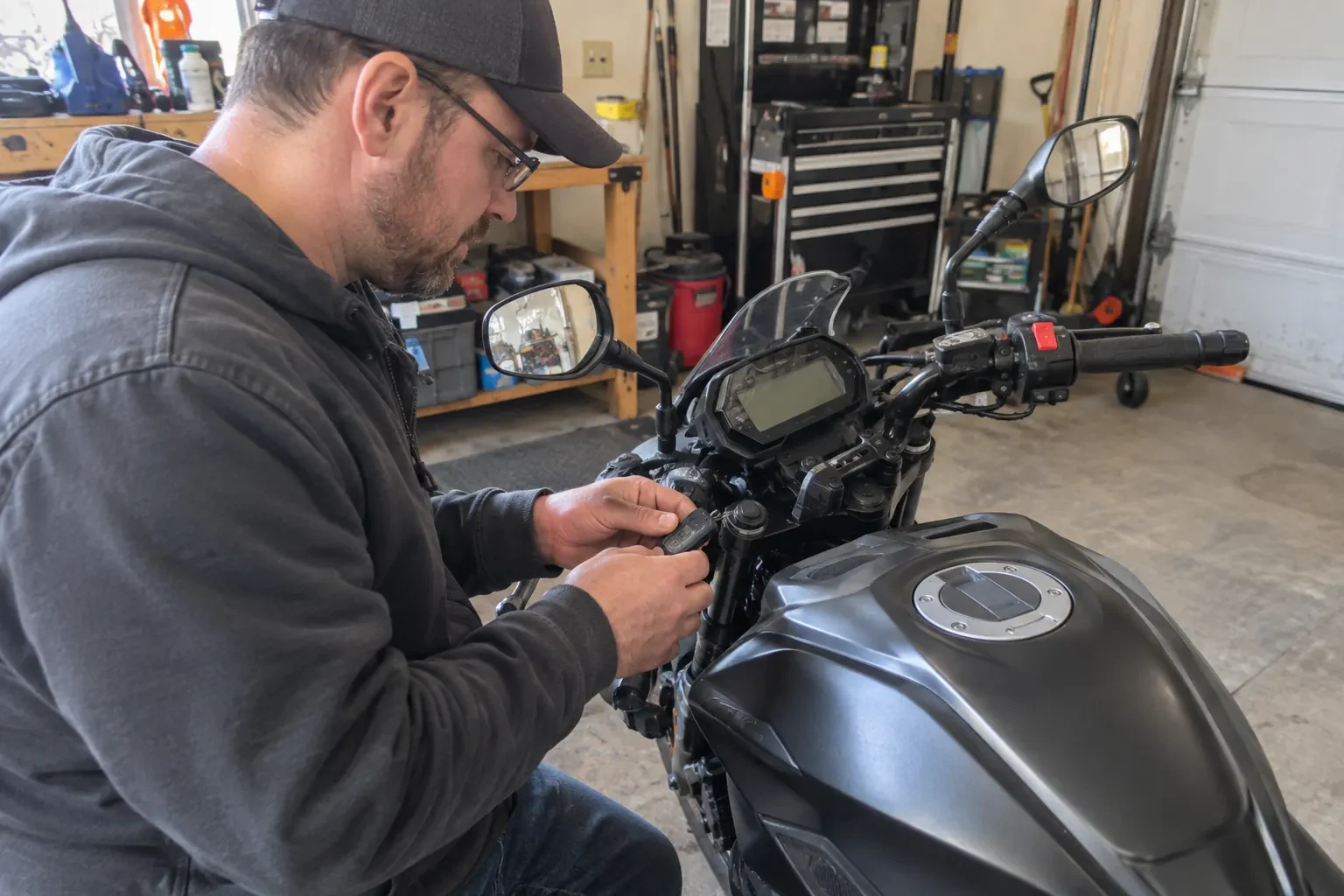
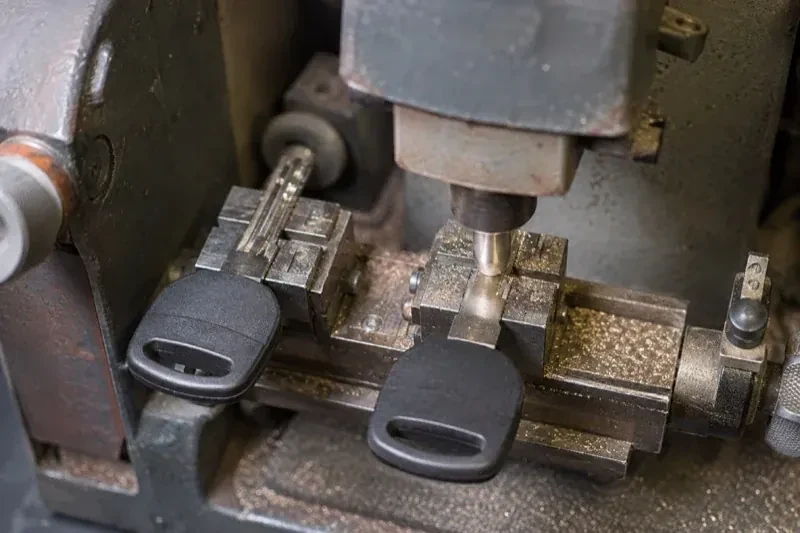
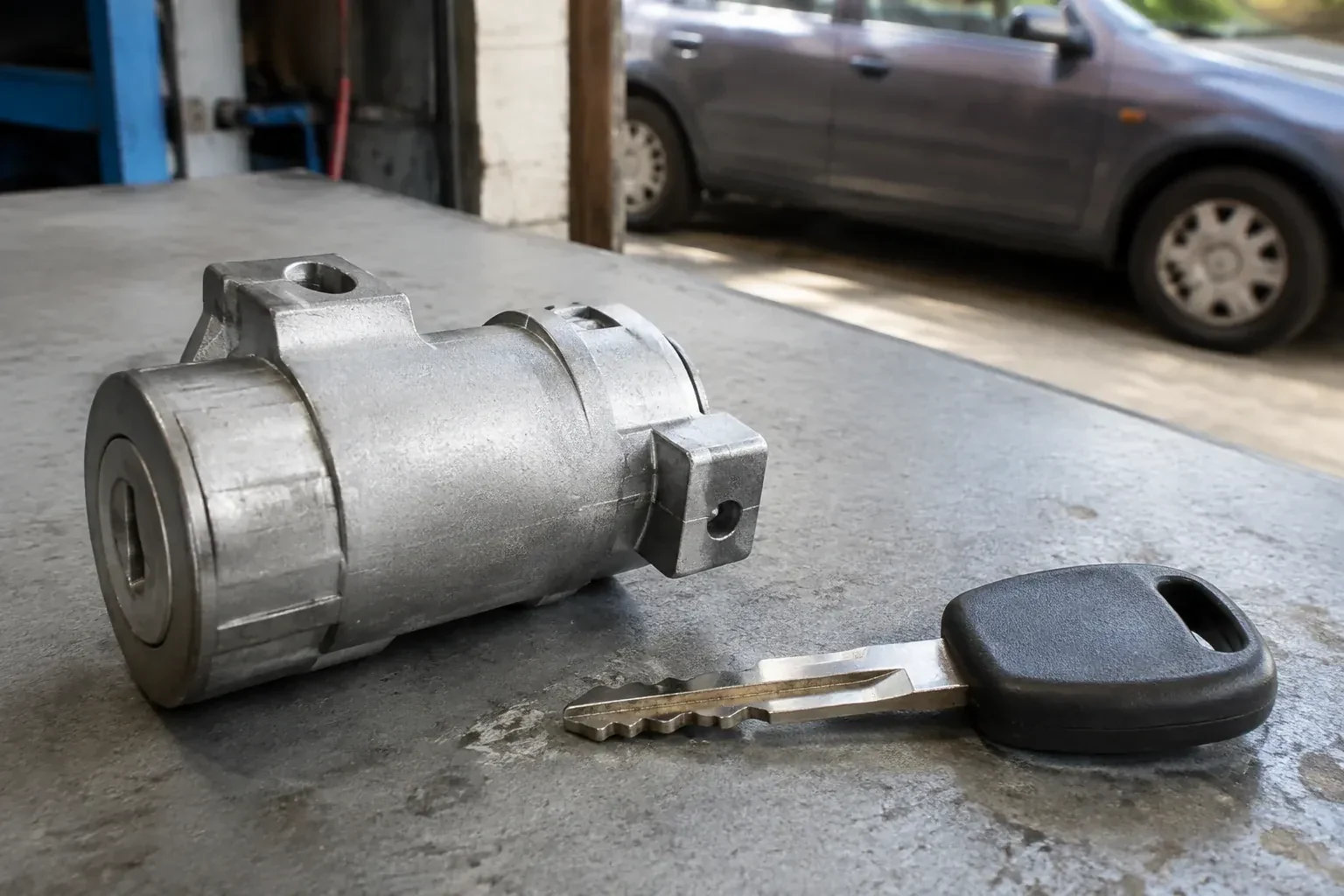
Lost keys turn the visit into two stages. First the car is opened without damage. Then the locksmith produces a working key: the door cylinder is decoded to read the mechanical cuts, or the key code is drawn from the vehicle's records against your proof of ownership, and a blade is cut on the machine in the van. A transponder key or fob is then programmed where the vehicle's own security system supports it, sometimes needing manufacturer credentials or a different procedure, and where the vehicle allows, the lost keys are erased so they no longer start the car. You leave with a key that unlocks, starts and locks, tested at the roadside.
- 3
Ready for the next freeze
After a winter lockout the car is set up to take the next cold snap in stride. The door cylinder has been dried and given whatever lubricant the vehicle maker specifies for cold weather, and the door seals have been wiped and treated with silicone so they release instead of bonding to the frame. A small tube of lock de-icer for a coat pocket, never left in the locked car, covers the mornings a keyway ices over. Parking nose-out of the wind where you can, keeping the driver's door seal clean of slush, and swapping the fob battery each autumn are the small habits that carry a car through to spring.
In the van
- Twelve-volt jump pack
- Broken key extractors
- Key programmer
- Padded long-reach tool
- Door-edge guards
What affects the quote
- 1
Damage from earlier attempts
A seal stretched by a coat hanger or a cylinder scarred by a screwdriver may need attention beyond the opening. The locksmith points out what was already there before quoting any repair.
- 2
Dead fob or dead car battery
Replacing a fob coin cell is a small item. Jump-starting a flat twelve-volt battery so the immobiliser wakes is another, and each is named on the quote rather than folded in.
- 3
Type of key or fob
A plain metal key, a transponder key with a chip, a remote-head key and a proximity fob each cost different amounts as parts, and each takes its own programming step when one has to be replaced.
Same fees day, night or weekend.
Car Lockout Service: questions
Will you need to see identification before opening my car?
Yes, and it is the part of the visit that protects you most. Photo identification matched against the vehicle permit, the insurance card or a rental agreement shows the car is yours to open. The permit carries the owner's name and plate number, so the match is straightforward. Roadside clubs ask their locksmiths for the same check, and every car owner benefits from a trade that asks before it opens.
The whole car is dead, not just the fob. Can you still open it?
Yes. When the interior lights, horn and remote are all silent, the car's own twelve-volt battery has run flat, and the fob has nothing to talk to. The door is opened through the mechanical cylinder or with a wedge and reach tool; loose or corroded connections and other faults can look the same as a dead battery, so it is checked and confirmed safe before a jump pack brings the car back to life. If the battery will not hold a charge, you will know before the locksmith leaves.
I have lost my only key. Can a locksmith make a new one at the roadside?
For most cars, yes. After the car is opened, the door cylinder is decoded to read the cuts, or the key code is drawn from the vehicle records against your proof of ownership, and a blade is cut in the van. A transponder key or fob is then programmed through the diagnostic port so the engine will start. Some newer or high-security models need dealer-only parts; you are told that up front rather than after.
Car Keys
Bigger photo, sooner job: Emergency Book soon Plan ahead
Car Lockout Service near you
Middlesex, Ontario
London information
- Town
- London, Middlesex, Ontario
- In business
- 15 years
- Hours
- Open 24/7 · nights, weekends and holidays, same fees
- Phone
- (226) 785-2980
- Visits
- On-site assessment preferred. Request a visit or call.
What the census means at the door
52%
Older homes. About 52% of homes in London were built in 1980 or earlier, according to the 2021 Census.
Layers of paint build up on older doors and frames, and a lock that seemed to fail is sometimes a latch glued shut by the last coat. Part of the visit in an older area is freeing hardware, cleaning the edges and checking the door swings true.
49%
A mix of homes. Single-detached houses make up about 49% of homes in London (2021 Census).
In mixed neighbourhoods, a family may move from an apartment to a house or the other way around. A locksmith who knows both kinds of door can rekey the old place for the next occupant and set up the new one on the same visit.
Nearby
Open 24/7
Request a visit
The trunk is full of groceries, the cart is back in its corral, and the keys are sitting in the cup holder in plain view.
Call now · open 24/7(226) 785-2980- On-site assessment preferred
- Same fees day, night or weekend
- 15 years in business